
What We’ll Be Watching at the State House This Session
On January 6th, the Rhode Island General Assembly begins its new legislative session.
Like every new session, it will come with press releases, priorities, and promises, but as Rhode Islanders, we’ve learned an important lesson over the years.
Intentions are easy to declare, but outcomes are harder to deliver.
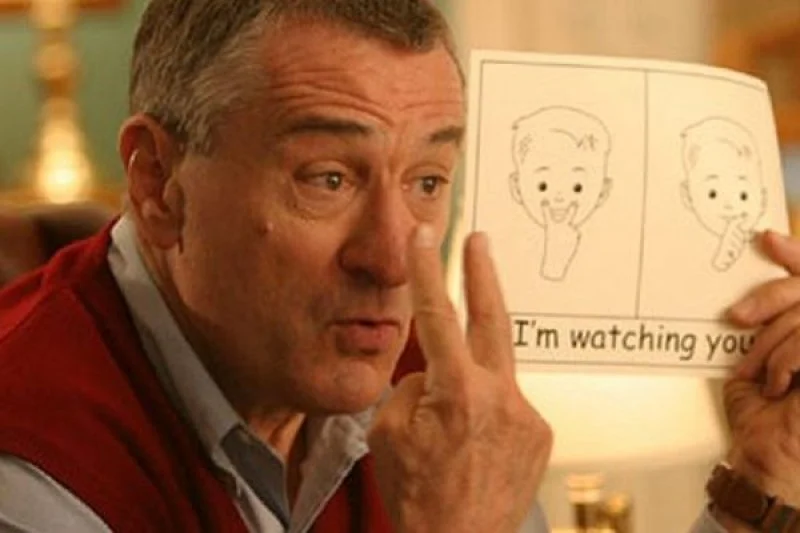
So instead of accepting what lawmakers say they plan to do, we plan on watching to hold current members accountable to the people they serve.
This isn’t about politics. It’s about performance.
Below are the key areas we’ll be tracking throughout the session, asking simple questions:
Are we solving real problems?
Are we being honest about costs?
Are results improving life for Rhode Islanders?
1. The Budget: Affordability vs. Applause Lines
Rhode Island families don’t experience the budget as a spreadsheet.
They experience it through:
Utility bills
Property taxes
Fees
Rent
Healthcare costs
We’ll be watching:
Whether spending relies on one-time money to support ongoing programs
Whether new mandates come without clear funding sources
Whether affordability pressures are acknowledged or brushed aside
To hold members accountable, we have to ask if they making hard tradeoffs, or postponing them until someone else is in office.
2. Housing & Infrastructure: Growth Without Strain
Everyone agrees we need more housing. The harder question is whether we’re prepared for it.
We’ll be watching:
Housing bills that increase density without addressing water, sewer, and road capacity
Zoning changes that sound good on paper but ignore local infrastructure realities
Whether the state is helping communities grow responsibly or shifting costs downward
To hold members accountable, we will look to see if we are truly planning for growth or just passing the pressure along to cities, towns, and ratepayers.
3. Energy & Climate Policy: Targets vs. Reality
Rhode Island passed ambitious climate legislation in 2021. Since then, the data has changed, but the law hasn’t.
We’ll be watching:
Whether lawmakers revisit assumptions based on new information
How costs tied to mandates are handled, especially for working families and small businesses
Whether reliability, affordability, and feasibility are discussed honestly
To hold members accountable, we will look to see if leaders are willing to adjust course when facts change or double down to avoid difficult conversations.
4. Economic Development & Workforce: Jobs That Stay Here
Rhode Island doesn’t just need jobs. It needs jobs that keep people here, allow young families to stay, and support local employers.
We’ll be watching:
Workforce and training programs tied to real employer needs
Whether small businesses are helped or buried under compliance
If economic development dollars are producing measurable results
To hold members accountable, we will look to see if programs deliver outcomes or just continue because they’ve always existed.
5. Government Accountability: Power, Process, and Oversight
Some of the most important legislation doesn’t make headlines.
We’ll be watching:
Bills that expand regulatory authority without added accountability
Oversight mechanisms, audits, and transparency measures
Whether lawmakers ask tough questions of agencies or avoid them
To hold members accountable, we will look to see if power is being matched with responsibility and transparency.
What Accountability Looks Like
Holding leaders accountable doesn’t mean assuming bad intent.
It means expecting:
Clear goals
Honest cost discussions
Willingness to revise laws when they aren’t working
Measurable outcomes, not just good messaging
As this session unfolds, we’ll continue to track legislation, committee actions, and votes through one simple lens:
Is this making life more affordable, more predictable, and more sustainable for Rhode Islanders or not?
That’s the standard and the benchmark.
And that’s what we deserve.
