
When the Facts Line Up, Common Ground Follows
One of the things that frustrates people most about politics today is the idea that compromise equals weakness. Somewhere along the way, disagreement stopped being healthy and started being personal.
Positions hardened. Facts became optional.
That’s why a recent article in the Wall Street Journal stood out to me.
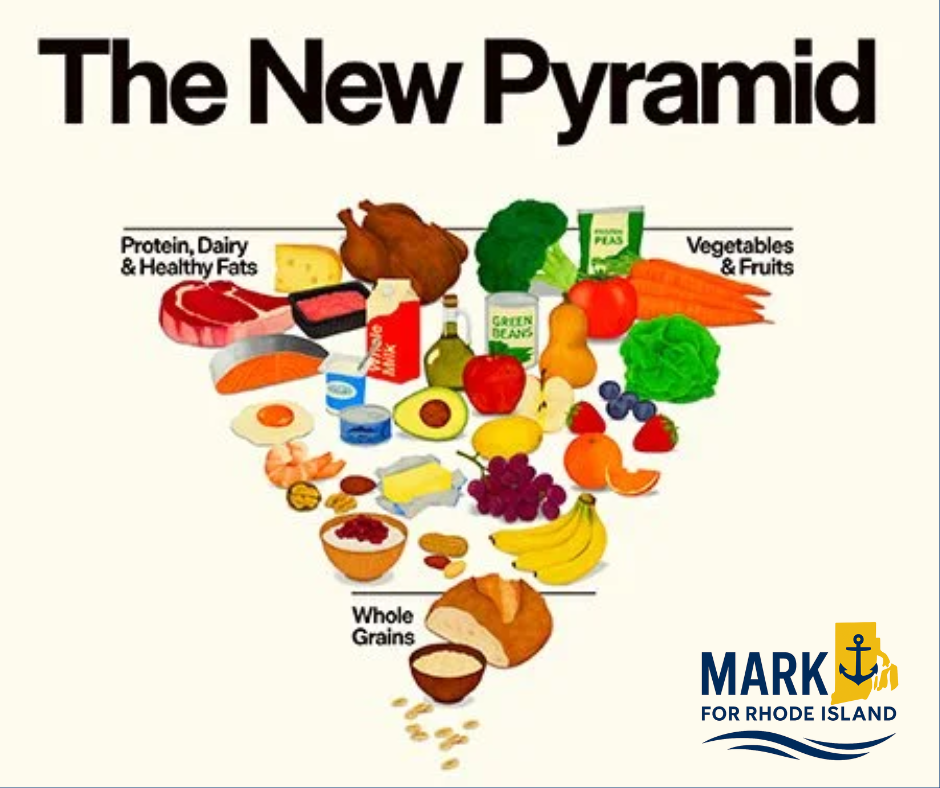
It described an unusual moment in Washington: Health Secretary Robert F. Kennedy Jr. rolled out new national dietary guidelines, and some of his strongest critics in the medical community publicly backed them.
Not because they suddenly agreed with him on everything. They don’t.
In fact, they remain openly at odds with him on vaccines and other major health policies, but on this issue, the facts lined up.
Rather than forcing an ideologically “pure” outcome, the administration kept long-standing caps on saturated fat and incorporated input from mainstream medical experts.
The result was guidance that organizations like the American Medical Association and the American Academy of Pediatrics could support even while continuing to challenge the administration elsewhere.
That’s not selling out. That’s governing.
What matters here isn’t unanimity. It’s maturity.
People were willing to say, “We disagree on plenty, but on this, you got it right.”
No victory laps. No pretending differences disappeared.
Just a shared focus on getting one thing right for the public.
This is the kind of approach people in Rhode Island expect from their leaders.
We don’t need to agree on everything to make progress.
We need honesty about the facts, humility about what we don’t know, and the confidence to adjust when the evidence points us somewhere new.
When debates are driven by outcomes instead of ideology, compromise stops looking like weakness and starts looking like responsibility.
That lesson applies far beyond nutrition policy.
Whether we’re talking about healthcare costs, housing, infrastructure, or energy, progress usually happens when leaders are willing to separate issues from identities and facts from talking points.
We won’t always agree, and that’s okay, but when the facts line up, we should have the courage to line up with them too.
That’s not politics for politics’ sake.
That’s common sense, and it’s the kind of leadership I believe people in the 36th District deserve.
Source & Context
This post was inspired by reporting in the Wall Street Journal (January 10–11, 2026), which examined how shared facts and evidence helped bridge ideological divides around new federal dietary guidelines.
👉 Read the original Wall Street Journal article (subscription may be required) here.
