
Something Still Smells in Quonset
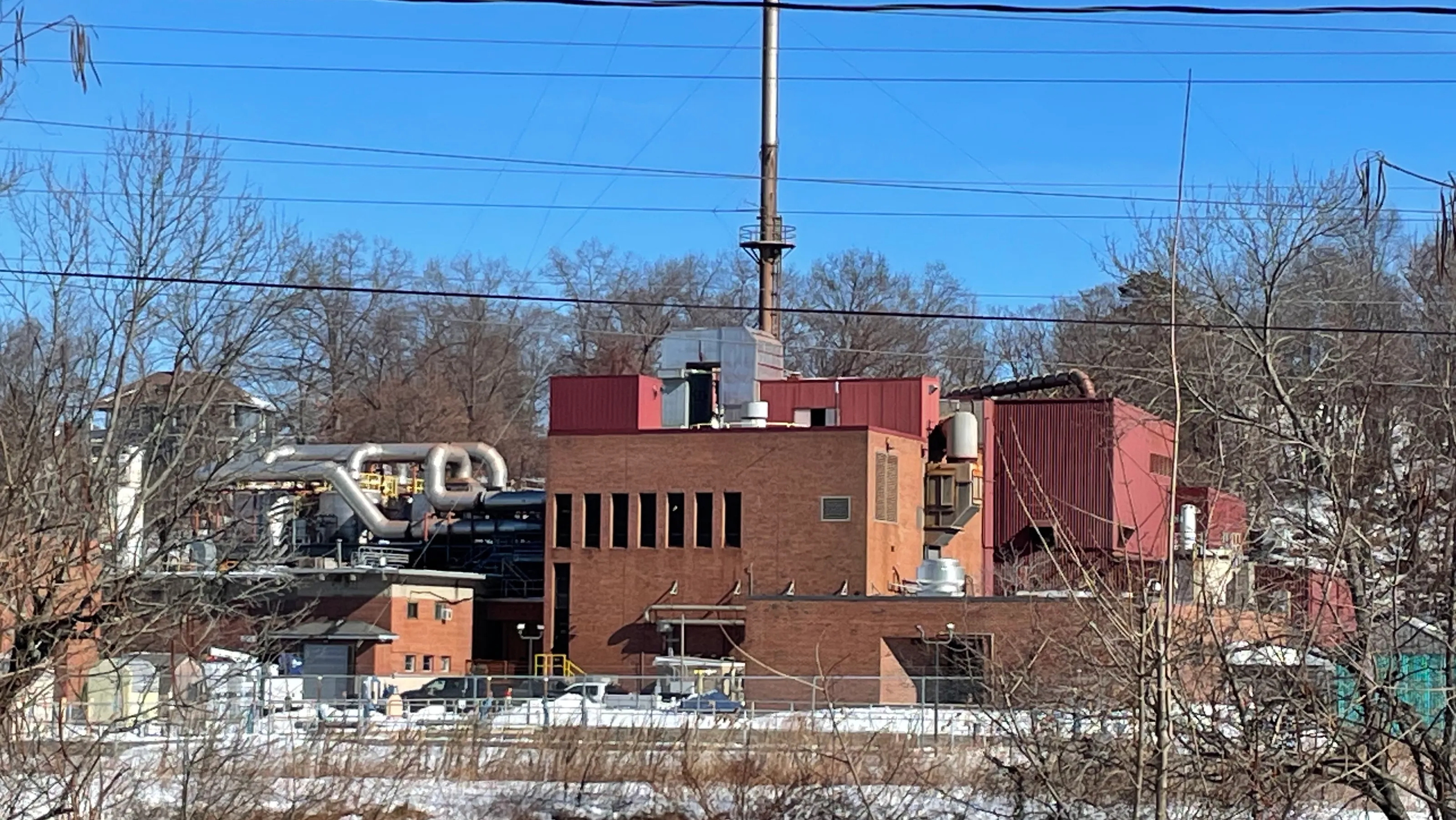
The Woonsocket incinerator, a key part of Rhode Island’s sludge disposal system, is expected to be phased out by 2027.
Every single day, Rhode Island produces wastewater sludge.
It doesn’t disappear. It has to go somewhere.
Right now, one of the primary places handling that material, the Woonsocket incinerator, is being phased out and is expected to be gone by 2027.
At the same time, a proposed sludge processing facility in Quonset is facing strong opposition.
That’s a serious situation.
This isn’t theoretical. It’s simple math: Less capacity + the same amount of waste = a real problem.
If not here, then where?
That’s the question, and it’s a fair one.
A current senator representing District 36 recently said in a facebook post: “I have worked closely on clean water issues, identifying the need for a thoughtful and sustainable plan to deal with our solid waste sludge and that work continues.”
I admit, that sounds reasonable to me, so let’s look at the actual record.
What is the actual plan?
If there is a broader solution in the works, Rhode Islanders deserve to see it.
Because the most visible legislation on this issue right now is House Bill H 7532, introduced by Representatives Terri Cortvriend, Thomas Noret, and David Bennett Phillips.
The bill creates a commission to study sludge management and report back by January 2027.
Here’s what it does:
Reviews how sludge is currently handled
Assesses the impact of shrinking disposal options
Recommends potential solutions
And here’s what it does NOT do:
It does NOT create new disposal capacity
It does NOT fund infrastructure
It does NOT provide an implementation plan
It does NOT allocate a meaningful budget
In fact, the commission itself has no real funding attached. Members are unpaid, agencies provide support, and the state provides meeting space.
Let’s be clear
This is not a solution.
This is a study that:
Has not yet fully passed both chambers
Has no defined budget
And would not report back until 2027
Meanwhile, the problem exists today.
This is bigger than sewer systems
Even homes that aren’t connected to sewer still contribute to this problem.
When septic systems are pumped, that waste doesn’t disappear.
It is hauled to treatment facilities, processed, and ultimately becomes sludge that still needs disposal.
Whether it comes from a home on sewer or a home on septic, it all leads to the same place, and it all adds to the same challenge.
This is the disconnect
All of the state Representatives and Senators representing North Kingstown are opposing the project in Quonset.
That’s their right.
One Senator went so far as to suggest broader solutions are being worked on, but the public record does not show that.
There is:
No Senate-led disposal plan
No funded infrastructure solution
No implementation timeline
Only a House study
Here’s where this hits home
If Rhode Island loses in-state disposal options, municipalities will have to:
Truck sludge out of state
Pay higher disposal and transportation costs
Compete for limited capacity
And those costs don’t stay in government.
They show up in:
Local budgets
Sewer bills
And ultimately, your taxes
In other parts of the country, when disposal options shrink, costs don’t just go up, they can double or more.
Doing nothing isn’t free.
A real plan requires real answers
If Quonset isn’t the right place, then what is?
Where should this material go?
What is the alternative location?
What is the timeline?
And what is the cost?
Because there’s a difference between saying we’re working on a solution and showing what that solution actually is.
And right now, Rhode Island doesn’t have real leadership or a plan.
