
Caught in the Middle of a Political Tug of War
Let me start by saying this is not a post about the environment. It’s a plea for people to meet where most of us are… in the middle.
There was an editorial in the Wall Street Journal on Christmas Eve which was a useful reminder that hard left or hard right politics don’t serve everyday people and tend to be lose-lose.
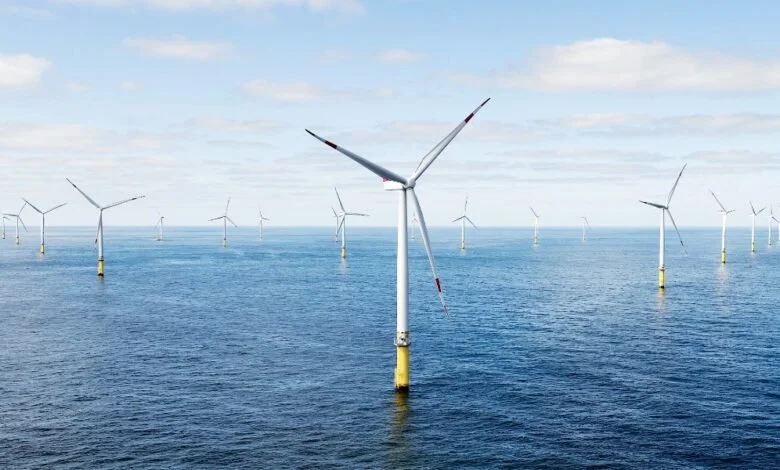
It started with the Trump Interior Department’s decision to pause offshore wind leases, which obviously impacts Rhode Island, citing national-security concerns tied to radar interference from turbines.
Democrats in Congress immediately cried foul, arguing national security was being used as a political pretext, and on its face, that concern isn’t unreasonable.
The party in power shouldn’t weaponize its regulatory authority for political ends.
Here’s the rub. The editorial then flips the lens.
Many of the same politicians now objecting to “regulatory overreach” have spent years using the exact same tactics to block or cancel energy projects they oppose including oil and gas leases in Alaska to natural-gas pipelines in the Northeast, even after projects were permitted, financed, and in some cases nearly complete .
Lawsuits filed under environmental review laws, changing standards midstream, and political pressure campaigns have all been used to stop projects long after permits were issued.
The result? Uncertainty, higher costs, delays, and a system with many losers and no obvious winners .
The editorial also points out the irony that states blocking natural-gas pipelines for years are now warning about grid reliability and energy shortages which are problems they helped create by rejecting pragmatic, transitional solutions .
On the other side, the editorial is balanced and doesn’t let Republicans off the hook either.
It notes that national-security arguments have also been stretched to justify tariffs and immigration fees that have little to do with actual security concerns .
That kind of overreach undermines trust just as much.
As a result…
The hard left blocks projects through endless litigation and ideological purity tests.
The hard right blocks projects through abrupt reversals, tariffs, and politicized enforcement.
Different methods with the same outcome: instability, higher costs, and government working against the public interest.
A moderate approach isn’t about picking sides in a political battle. It’s about consistency, honesty, and accountability…
If a project meets the rules, it should move forward.
If the rules are flawed, fix them before permits are issued, not after billions are invested.
And if new information emerges, government should adjust policy responsibly, not reflexively or ideologically.
That’s the space I intend to operate in.
A space for practical, fact-based, and focused on outcomes, not talking points.
When politics becomes a tug-of-war between extremes, regular people pay the price.
A moderate path is how we stop that cycle and start governing again.
