
Conversations about taxes can move quickly, and once labels take hold, they often shape the debate more than the details.
That’s what’s happening right now with Rhode Island’s proposed “Millionaire’s Tax.”
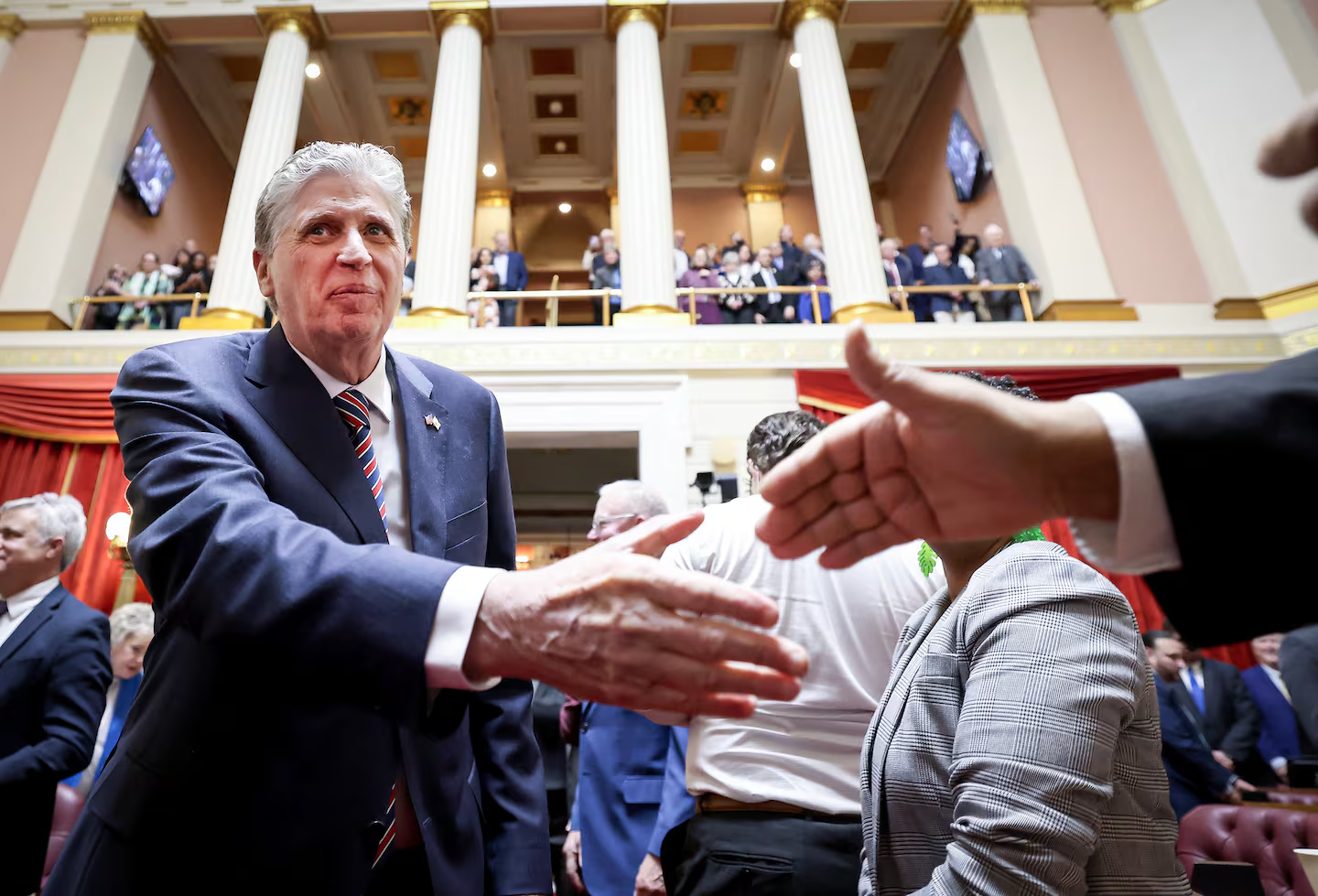
The Governor mentioned it at his State of the State the other night, and progressive Rep and candidate for Mayor of Providence David Morales shared a group picture of sitting RI Senators and Representatives with the caption, “Following an underwhelming State of the State Address, I’m especially proud to serve with these fellow Legislators who believe in taxing the rich to support the needs of working people in our state.”
Before getting into whether such a tax is good or bad, it’s worth starting with two basic principles: accuracy and trust.
A name that doesn’t quite match the policy
Despite the name, the current proposals being discussed in Rhode Island don’t exclusively target people earning $1 million or more per year. In fact, some versions of the proposal would apply to incomes well below $1,000,000.
That matters.
Words shape expectations. When people hear “Millionaire’s Tax,” they reasonably assume it applies only to individuals with seven-figure annual incomes or vast accumulated wealth, but this proposal isn’t a wealth tax, and it doesn’t require someone to be a millionaire in the everyday sense of the word.
It’s an additional income tax surcharge applied once earnings cross a much lower threshold.
Calling that out isn’t semantics. It’s about being honest with taxpayers about who is actually affected.
Why accuracy builds trust
Public trust in government depends on transparency.
People may still disagree about the policy, but they deserve a clear understanding of what’s being proposed.
Clear language helps ensure the debate focuses on substance rather than surprise.
The debate shouldn’t stop at who pays
Even once the name and scope are clearly understood, the larger issue remains: how the money is used.
Much of the current discussion centers on who would pay more. That’s an important question, but it’s only part of the equation.
Rhode Island faces real budget pressures… from healthcare and education to infrastructure and affordability.
Addressing those challenges requires resources. Reasonable people can agree on that.
Where confidence often breaks down is when new revenue is discussed without an equal focus on spending discipline.
A responsible middle ground
That’s why I believe there’s a constructive path forward.
I’m open to supporting a true millionaire’s tax, but only if it’s paired dollar-for-dollar with spending offsets elsewhere in the budget.
This approach does two things at once:
It acknowledges the need for fairness in who contributes
It demands accountability in how government operates
Equity and accountability shouldn’t be competing values.
They should work together.
Why offsets matter
Offsets force prioritization.
They require our lawmakers to examine existing spending and ask hard questions:
Are there programs that no longer deliver results?
Are there duplicative efforts across agencies?
Are temporary programs being treated as permanent?
Is administrative growth aligned with outcomes?
Every household and business in Rhode Island makes tradeoffs. Government should be no different.
Offsets don’t weaken a tax proposal.
They strengthen it by proving seriousness and restraint.
Trust comes from shared responsibility
When taxpayers are asked to contribute more, it’s reasonable for them to expect government to scrutinize itself just as carefully.
Pairing new revenue with spending offsets sends a simple message: This isn’t about growing government for its own sake. It’s about making government work better.
That’s how trust is built, not through slogans, but through balanced, transparent decision-making.
Focusing on outcomes, not labels
Rhode Island doesn’t need another debate driven by political branding. It needs thoughtful solutions that people can understand, support, and trust over time.
Getting the name right is part of that, so is insisting on accountability.
If we do both, we can have a real conversation about policy.
One that’s grounded in facts, fairness, and outcomes that actually improve life in our state.
