
From the 36...
My perspectives on the issues impacting Rhode Island and District 36
Welcome to From the 36. It’s a place where I share what’s happening in and around our corner of Rhode Island, from Narragansett to North Kingstown to Block Island.
Sometimes it’s policy, sometimes it’s personal, but it’s always about the people and issues that shape our community.
Check in often to see what’s on my mind, what’s going on in District 36, and how together we can keep turning the tide in the right direction.

Where Did the Extra $900 Million Go?
Rhode Island just passed the largest budget in state history, increasing spending by nearly $900 million in a single year.
With our population largely unchanged, taxpayers should be asking a simple question: What are we getting for the extra money?
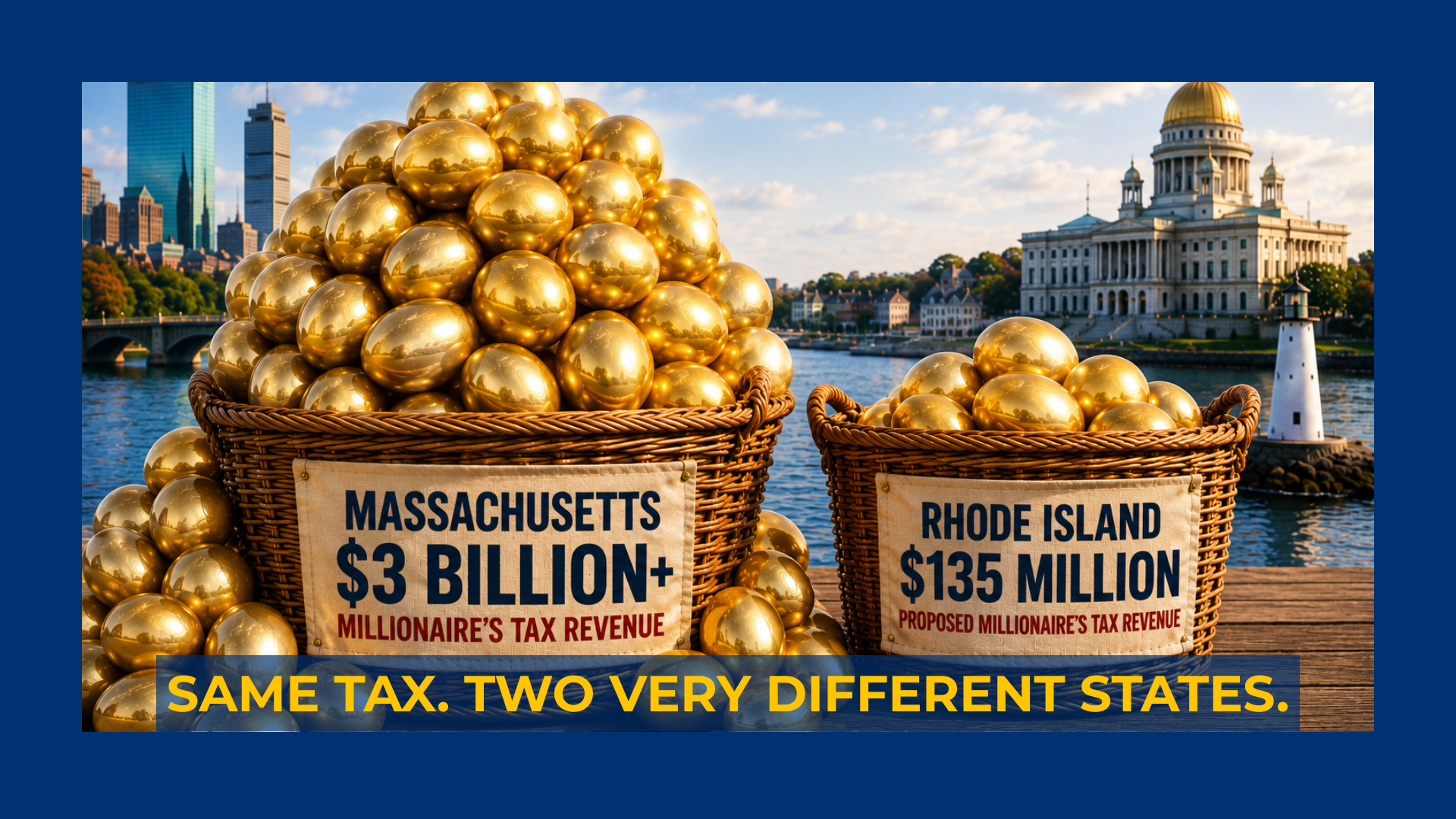
A Millionaire's Tax Worked in Massachusetts. Will It Work in Rhode Island?
Massachusetts has generated billions from its millionaire's tax, but Rhode Island's smaller economy, smaller tax base, and growing budget should give us pause.
Before asking taxpayers for more money, we should ask a simpler question:
Are Rhode Islanders getting their money's worth?

The Hidden Cost of Rhode Island’s Energy Transition
The hidden cost of Rhode Island’s energy transition may not show up in headlines, but it could appear in higher housing costs, utility bills, and fewer affordable options for working families.
Senate Resolution S2354 could make energy transitions more expensive for the very Rhode Islanders already struggling with rising costs.

Rhode Island’s $233 Million Jackpot
Rhode Island’s budget just hit a “jackpot.”
The state suddenly has an extra $233 million to work with, but where did the money actually come from?
A closer look at the numbers reveals a more complicated story about capital gains, inflation, affordability, and whether this revenue surge is temporary or sustainable.

The Cost of Rhode Island’s Sludge Problem Is Already Rising
New bills in the Senate aim to stop the proposed sludge plant in North Kingstown and study the issue further.
Meanwhile, costs are already rising in communities like West Warwick and Bristol.
Delays have real consequences, and we break it down inside.

Why You're Losing Your Doctor
Concierge medicine is growing across the country, but in Rhode Island, it’s exposing a deeper problem.
As doctors reduce patient loads and shift to membership-based care, access is shrinking for those who can’t afford it.
The question isn’t whether this trend will continue.
It’s whether we address what’s driving it.
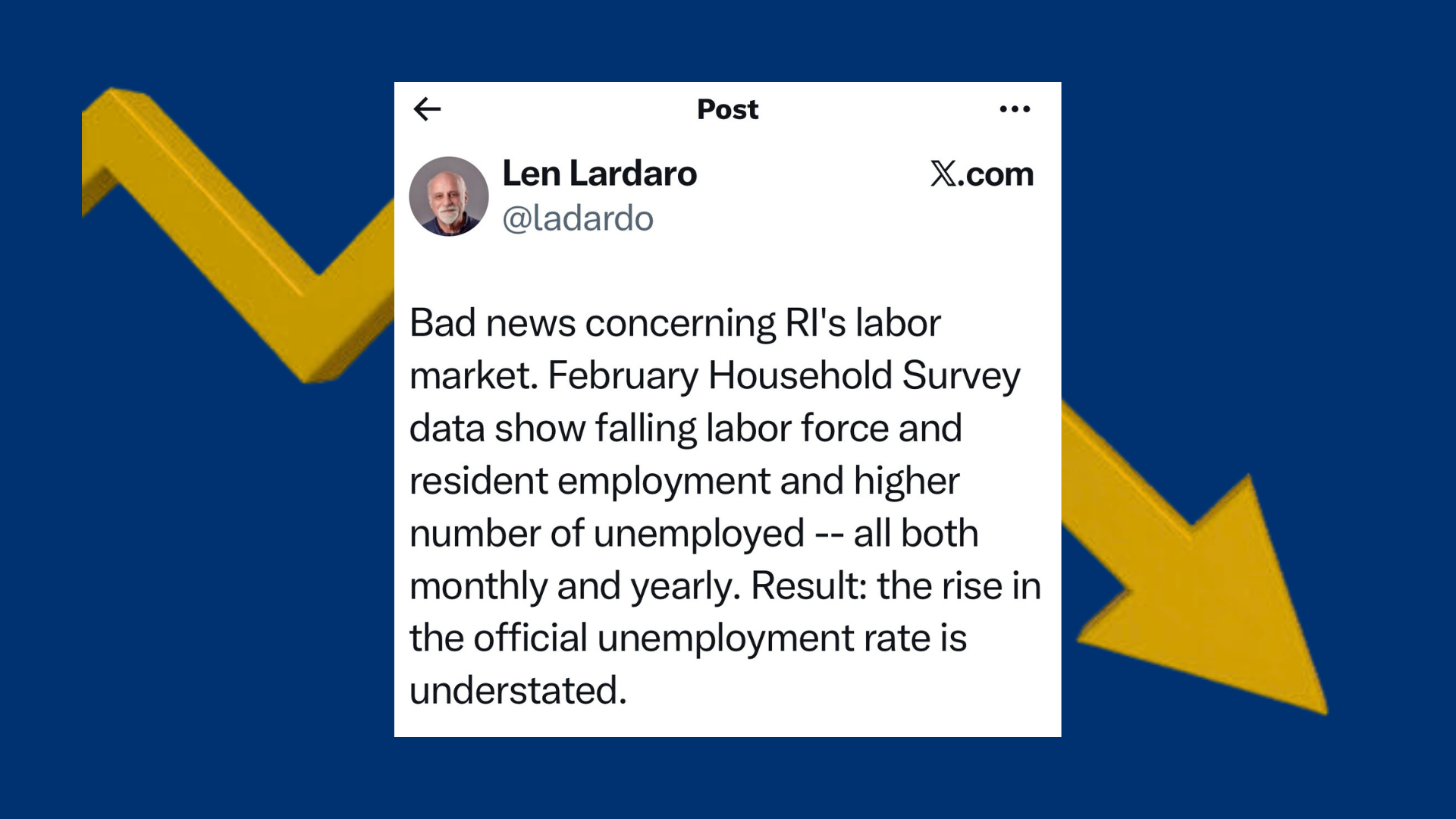
Employment Numbers Are Moving in the Wrong Direction
Rhode Island lost 1,000 jobs in February.
Unemployment ticked up to 4.6%, and over the past year, there are fewer Rhode Islanders working today than there were a year ago.
These aren’t isolated data points. They’re signals.

Earth Day Reality Check
Rhode Island has some of the most ambitious climate goals in the country, but the state admits we’re not on track to meet them, even as energy costs keep rising.
At the same time, real environmental impact is happening in places people aren’t talking about by private entities.
This Earth Day, it’s worth taking a closer look at what’s actually working.

A Plan to Help Small Businesses… That Doesn’t
A new proposal aims to help small businesses by encouraging local investment.
It sounds like a win, but a closer look reveals a program that may be too narrow, too complex, and too limited to make a real impact.
The rules, restrictions, and real-world costs raise a bigger question: who does this actually help?

Who’s Checking the Bill?
Before you pay a restaurant bill, you take a look to make sure everything adds up.
Similarly, Rhode Island spends billions each year on healthcare and social services.
When it comes to billions in taxpayer dollars, we need to ask: Who’s checking the bill?

What Real Housewives Gets Right About Rhode Island
Reality TV shows one version of Rhode Island. Most people are living another.
That gap between perception and reality is real, and it’s getting wider.
For many people, it’s getting harder to live and work here every day.

Rhode Island Wants to Pay Workers to Stay… So Why Are They Leaving?
A new proposal would help certain workers repay student loans if they stay in high-need professions.
While well-intentioned, programs like this may address the symptoms of Rhode Island’s workforce shortage rather than the underlying causes driving young professionals to leave the state.
Let’s not only look at what this policy is meant to do, let’s also look at what it doesn’t do.

Rhode Island Steps Into the AI Arena Quietly
After 18 months of study, Rhode Island has released its first statewide vision for artificial intelligence with little to no fanfare.
Developed by the Rhode Island AI Task Force, the report frames AI as a “once-in-a-generation” opportunity that could reshape jobs, education, government services, and economic competitiveness across the state.
We took a look at what the plan gets right, where it falls short, and how places like Quonset Business Park could play a role in turning a high-level blueprint into real jobs, skills, and economic opportunity.
More Insanity?
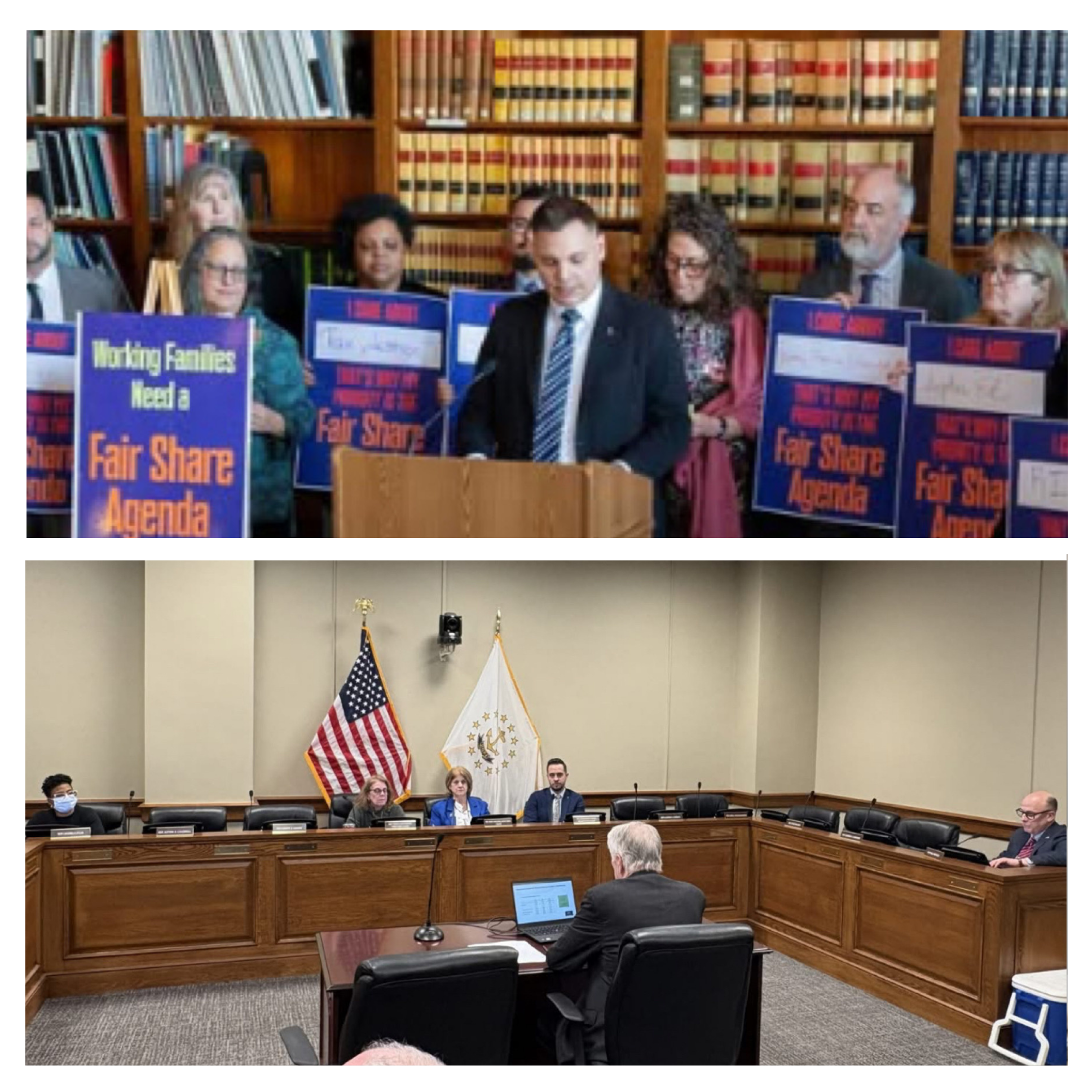
Yesterday at the State House, two very different conversations happened at the same time.
One room was packed as lawmakers and advocacy groups rolled out the “Fair Share for Rhode Island” agenda, calling for higher taxes on top earners.
One floor away, a hearing on Rhode Island’s business climate discussed jobs, wages, competitiveness, and long-term revenue was held in an empty room.
Helping people and growing opportunity shouldn’t be opposing goals. If Rhode Island wants to move forward, we need leaders willing to have serious conversations about how to do both at the same time.

Definition of Insanity Or Business As Usual?
Rhode Island was just ranked the worst state in the country to start a business based on independent, data-driven analysis that looks at costs, access to capital, workforce availability, and overall economic conditions.
At some point, we have to acknowledge that doing the same thing over and over again isn’t working.
Real progress requires fresh eyes, practical experience, and leadership willing to rethink how we move Rhode Island forward.
What’s up With Rhode Island’s “Millionaire’s Tax”?
The debate around Rhode Island’s proposed “Millionaire’s Tax” has gained momentum, but before taking sides, it’s worth understanding what the policy actually does.
Despite the name, the proposal is not a tax on wealth and does not apply only to people earning over $1 million. In some versions, it affects incomes well below that level, a distinction that matters for transparency and trust.
Moreover, if lawmakers are going to ask for more, they should also be willing to examine how the state spends what it already collects.
Fairness and accountability should go hand in hand.
A 6–7 Budget: A Mid-Year Check-In on Rhode Island’s FY2026 Finances
Six months into Rhode Island’s FY2026 budget, it’s worth pausing to ask a simple question: how is it actually performing?
It’s a good time to review the numbers and be honest about what’s working, and what’s under pressure.
The budget isn’t failing, but emerging gaps suggest it may be relying on assumptions and temporary fixes that deserve a closer look.
Good government isn’t about perfection. It’s about transparency, discipline, and adjusting course when the data tells us to.
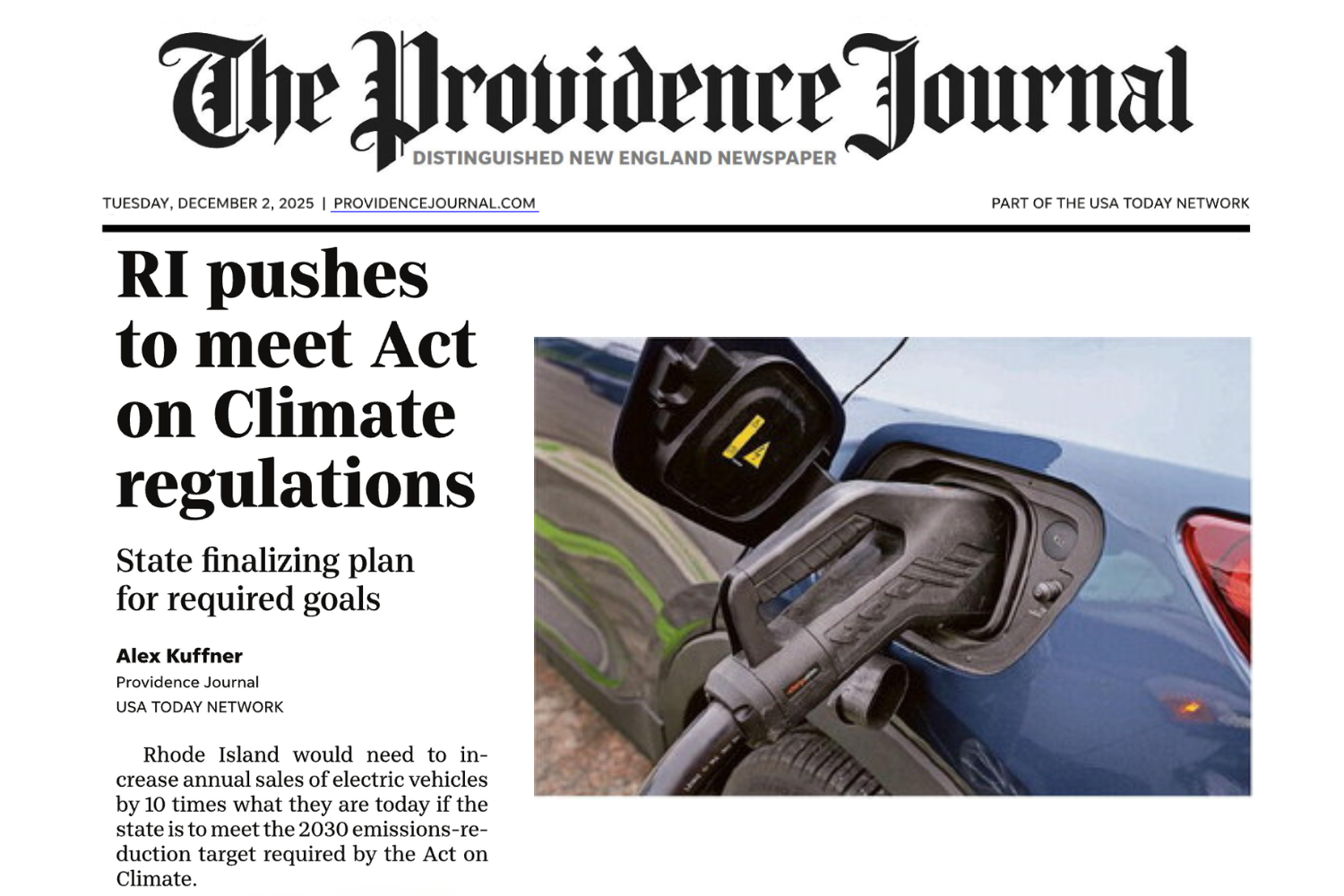
Rhode Island’s Climate Goals: What We’re Doing Right and Where the Math Isn’t Adding Up
Rhode Island is making real strides on clean energy, but the latest data shows we’re nowhere near the pace required to meet our 2030 climate mandate.
This post breaks down what’s working, where the plan is falling short, and whether our goals need a realistic reset to protect families and businesses.

Believing in Yourself When You Can’t See The Goal Line
Entrepreneurship isn’t about having a clear, straight path. It’s about believing in yourself even when the goal line isn’t visible.
What advice would you give someone who’s struggling to stay motivated?

Ask An Expert: RI Taxes
In this first installment of Ask An Expert: RI Taxes, we sit down with a local CPA and asked him to help unpack how Rhode Island’s tax structure impacts businesses, homeowners, and retirees.
From income and estate taxes to gas and hotel fees, we explore what keeps our economy competitive, and what might be driving people away.
My takes follow…
“an education in knowledge pays the best interest.”
— BENJAMIN FRANKLIN, Inventor & Statesman